


In today’s competitive online environment, digital marketing is no longer just about having a presence—it’s about staying ahead of the curve. Artificial intelligence (AI) is now one of the most transformative forces in digital marketing, enabling businesses to make smarter decisions, automate processes, and deliver more personalized experiences to customers.
Traditional digital marketing relies heavily on manual research, guesswork, and time-consuming processes. AI flips the script by introducing intelligent systems that learn from data, make predictions, and perform tasks that typically require human input. From customer segmentation to real-time bidding in ad platforms, AI is making digital marketing more precise and cost-effective.

One of the biggest benefits AI brings to digital marketing is hyper-personalization. Instead of generic content and ads, AI allows marketers to deliver customized experiences based on user behavior, preferences, and intent. AI algorithms can recommend products, tailor email campaigns, and even dynamically adjust website content in real time—all to increase engagement and conversion rates.
AI is not just analyzing content—it’s creating it. Tools powered by natural language processing can now generate blog posts, product descriptions, ad copy, and more. While human input is still vital for creativity and tone, AI accelerates the process and ensures content is optimized for both readability and SEO performance.
With predictive analytics, AI helps marketers forecast future trends and behaviors. This means businesses can launch campaigns that align with what their audience will want, not just what they already wanted. Predictive tools help in budgeting, product recommendations, and lead scoring, improving both strategy and ROI.
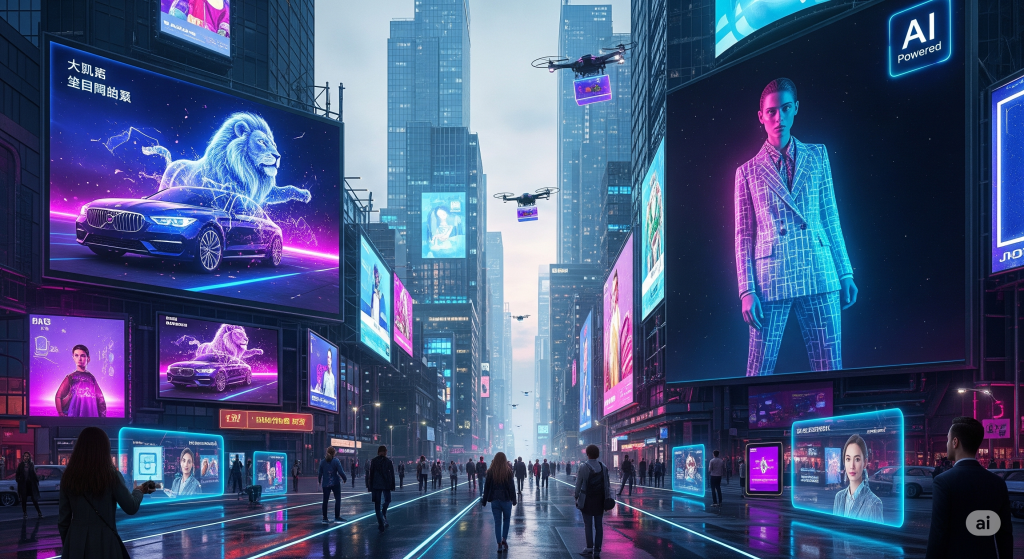
Platforms like Google Ads and Facebook already integrate AI to manage campaigns, analyze performance, and adjust targeting. AI helps advertisers reach the right audience at the right time with the right message. It also reduces ad spend waste by continuously learning from user interactions and refining campaign parameters.
AI tools streamline SEO by identifying keyword trends, analyzing SERPs, and optimizing content for search engines. AI can uncover gaps in your content, suggest improvements, and monitor technical SEO issues. As algorithms change frequently, AI tools help marketers adapt quickly and maintain search visibility.
AI chatbots can handle thousands of customer queries simultaneously—24/7. These tools improve customer satisfaction, reduce operational costs, and free up human teams to focus on more complex tasks. Integrating chatbots into your digital marketing funnel can drastically improve conversion rates and response time.
Despite the rise of AI, the human element in digital marketing remains irreplaceable. AI is a powerful tool, but it’s the strategic vision, emotional intelligence, and creativity of marketers that bring campaigns to life. The future lies in collaboration—where marketers use AI to handle data-heavy tasks and gain insights, while focusing their efforts on storytelling, branding, and building genuine customer relationships. This synergy between human intuition and machine intelligence creates a balanced, effective marketing ecosystem.
AI is no longer a futuristic concept—it’s an essential part of successful digital marketing. Whether you’re a small business or a global brand, incorporating AI into your marketing efforts will boost efficiency, accuracy, and performance. The brands that thrive in the digital era are the ones that leverage AI to anticipate needs, personalize experiences, and adapt quickly to change.
Now is the time to explore how AI can elevate your digital marketing strategy and help you deliver more value to your customers.
Thanks for reading!
You may interest this blogpost too…
Your guide to Digital Success: A Strategic Overview of Digital Marketing




Comments are closed